
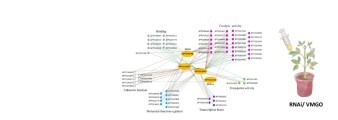


miRNA-mediated mitochondrial dysfunction is involved in the anti-triple-negative breast cancer cell activity of phytosesquiterpene lactones.
Triple negative breast cancer (TNBC) is the most challenging breast cancer subtype to treat and lacks targeted therapies. Emerging evidence suggests that modulating redox homeostasis through targeting mitochondrial functions may be a useful...

Phyto-sesquiterpene lactones DET and DETD-35 induce ferroptosis in vemurafenib sensitive and resistant melanoma via GPX4 inhibition and metabolic reprogramming
Acquired resistance to vemurafenib (PLX4032) is a thorny issue in BRAFV600E mutant melanoma therapy. Ferroptotic programmed cell death is a potential strategy for combating therapy-resistant cancers. This study uncovers the adaptation and a...
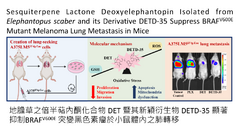
Sesquiterpene Lactone Deoxyelephantopin Isolated from Elephantopus scaber and its Derivative DETD-35 Suppress BRAFV600E Mutant Melanoma Lung Metastasis in Mice
Melanoma is a highly metastatic disease with an increasing rate of incidence worldwide. It is treatment refractory and has poor clinical prognosis; therefore, development of new therapeutic agents for metastatic melanoma are urgently requir...
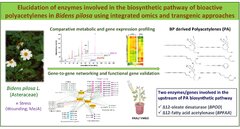
Elucidation of enzymes involved in the biosynthetic pathway of bioactive polyacetylenes in Bidens pilosa using integrated omics and transgenic approaches
Polyacetylene (PA) compounds from Bidens pilosa are known to have several pharmacological activities. In this study, we aimed to elucidate the major genes encoding enzymes involved in the biosynthesis of PA in B. pilosa. Seven PA metabolite...
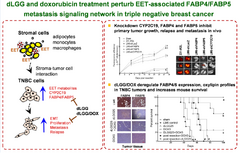
Deregulating the CYP2C19/epoxy-eicosatrienoic acid-associated FABP4/FABP5 signaling network as a therapeutic approach for metastatic triple-negative breast cancer
Recurrence and metastasis are the main causes of triple-negative breast cancer (TNBC) mortality. We have previously demonstrated that arachidonic acid-derived epoxy-eicosatrienoic acids (EETs) are important metastasis drivers in TNBC tumors...
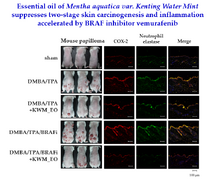
Essential oil of Mentha aquatic var. Kenting Water Mint suppresses two-stage skin carcinogenesis accelerated by BRAF inhibitor vemurafenib
Epidemiological evidence reveals that a BRAF inhibitor (BRAFi) drug vemurafenib (PLX4032) for treating late-stage melanoma could cause cutaneous squamous cell carcinoma in cancer patients with the most prevalent HRASQ61L mutation. In a two-...
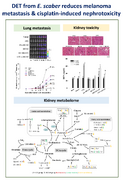
Phyto-sesquiterpene lactone deoxyelephantopin and cisplatin synergistically suppress lung metastasis of B16 melanoma in mice with reduced nephrotoxicity
Cisplatin (CP) is a chemotherapeutic drug for treating melanoma that also causes adverse side effects in cancer patients. This study investigated the bioefficacy of a phytoagent deoxyelephantopin (DET) in inhibiting B16 melanoma cell activi...
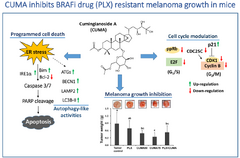
Cumingianoside A, a phyto-triterpenoid saponin inhibits acquired BRAF inhibitor resistant melanoma growth via programmed cell death
Mutated proto-oncogene BRAF is a bona fide therapeutic target for melanomas. Regrettably, melanoma acquires resistance to BRAF inhibitors, e.g., vemurafenib (PLX4032) casting doubt on this promising melanoma targeted therapy. In this study,...
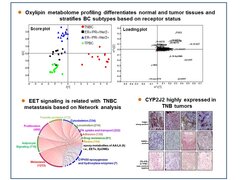
Integrated omics-based pathway analyses uncover CYP epoxygenase-associated networks as theranostic targets for metastatic triple negative breast cancer
Current prognostic tools and targeted therapeutic approaches have limited value for metastatic triple negative breast cancer (TNBC). There is an ultimate need to provide novel and effective avenues for molecular stratification and personali...
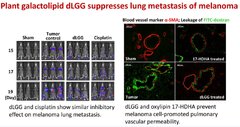
Plant galactolipid dLGG suppresses lung metastasis of melanoma through deregulating TNF-α-mediated pulmonary vascular permeability and circulating oxylipin dynamics in mice
This study demonstrates the pharmacological activity and the underlying molecular mechanisms of phytoagent dLGG isolated from medicinal plant Crassocephalum rabens (Asteraceae) on inhibition of melanoma cell EMT, tight junction permeability...
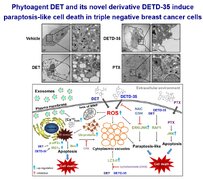
Phytoagent deoxyelephantopin derivative inhibits triple negative breast cancer cell activity by inducing oxidative stress-mediated paraptosis-like cell death
Triple negative breast cancer (TNBC) is a highly metastatic cancer among the breast cancer subgroups. A thorny issue for clinical therapy of TNBC is lack of an efficient targeted therapeutic strategy. We previously created a novel sesquiter...
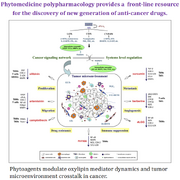
Phytomedicine polypharmacology: Cancer therapy through modulating the tumor microenvironment and oxylipin dynamics
Integrative approaches in cancer therapy have recently been extended beyond the induction of cytotoxicity to controlling the tumor microenvironment and modulating inflammatory cascades and pathways such as lipid mediator biosynthesis and th...
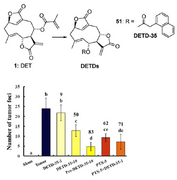
Novel sesquiterpene lactone analogues as potent anti-breast cancer agents
Triple-negative breast cancer (TNBC) is associated with high grade, metastatic phenotype, younger patient age, and poor prognosis. The discovery of an effective anti-TNBC agent has been a challenge in oncology. In this study, fifty-eight es...
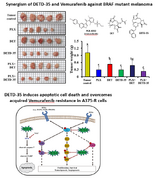
A novel plant sesquiterpene lactone derivative DETD-35 suppresses BRAFV600E mutant melanoma growth and overcomes acquired vemurafenib resistance in mice
Acquired resistance to vemurafenib (PLX4032), a chemotherapeutic drug targeting BRAFV600E mutant melanoma, is developed frequently through reactivation of RAF/MEK/ERK signaling or bypass mechanisms. Current combination therapy (e.g., MEK in...
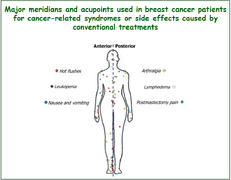
Herbal Medicine and Acupuncture for Breast Cancer Palliative Care and Adjuvant Therapy (Review Article)
Breast cancer is a life-threatening disease among women worldwide with annual rates of reported incidence and death increasing alarmingly. Chemotherapy is a recommended and effective treatment option for breast cancer; however, the narrow t...
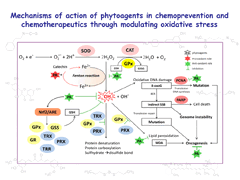
Phytoagents for cancer management: regulation of nucleic acid oxidation, ROS, and related mechanisms
Accumulation of oxidized nucleic acids can cause genomic instability leading to senescence, apoptosis, and tumorigenesis. Phytoagents have attracted considerable attention for their observed effects in reducing the risk of cancer developmen...
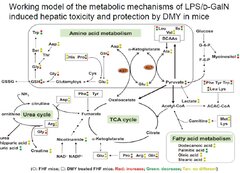
A plant kavalactone desmethoxyyangonin prevents inflammation and fulminant hepatitis in mice
Alpinia pricei Hayata is a Formosan plant which has been popularly used as nutraceutical or folk medicine for inflammation and various disorders. An active compound of the plant rhizomes, desmethoxyyangonin (DMY), was identified in this stu...
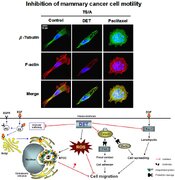
Deoxyelephantopin impedes mammary adenocarcinoma cell motility by inhibiting calpain-mediated adhesion dynamics and inducing reactive oxygen species and aggresome formation
We previously showed that deoxyelephantopin (DET), a plant sesquiterpene lactone, exhibits more profound suppression than paclitaxel (PTX) of lung metastasis of mammary adenocarcinoma TS/A cells in mice. Proteomics studies suggest that DET ...
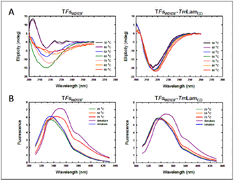
Engineering of dual functional hybrid glucanases
1,3-1,4-β-D-Glucanase (lichenase) and 1,3-β-D-glucanase (laminarinase) are fibrolytic enzymes which play an important role in the hydrolysis of polysaccharide components. Both of these glucanases have been employed in a number of industrial...