Phyto-sesquiterpene lactone deoxyelephantopin and cisplatin synergistically suppress lung metastasis of B16 melanoma in mice with reduced nephrotoxicity
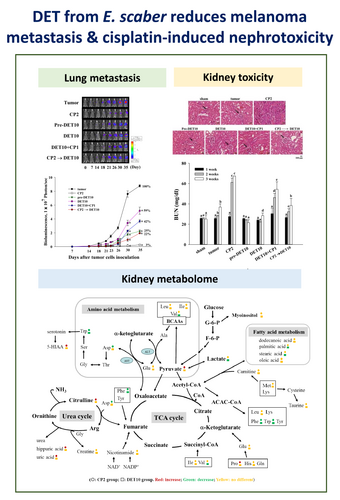
Cisplatin (CP) is a chemotherapeutic drug for treating melanoma that also causes adverse side effects in cancer patients. This study investigated the bioefficacy of a phytoagent deoxyelephantopin (DET) in inhibiting B16 melanoma cell activity, its synergism with CP against metastatic melanoma, and its capability to attenuate CP side effects in animals. In vivo bioluminescence imaging was used to detect lung metastasis of B16 cells carrying COX-2 reporter gene in syngeneic mice. Nephrotoxicity caused by CP treatment in mice was evaluated by UPLC/ESI-QTOF MS based metabolomics and haematometry. DET, alone or in combination with cisplatin, inhibited B16 cell proliferation, migration, and invasion, and induced cell-cycle arrested at the G2/M phase and de-regulated cell-cycle mediators in cancer cells. In a murine B16COX-Luc metastatic allograft model, CP2 (2 mg/kg) treatment inhibited B16 lung metastasis accompanied by severe body weight loss, renal damage and inflammation, and haematological toxicity. DET10 and CP cotreatment (DET10+CP1) or sequential treatment (CP2→DET10) significantly inhibited formation of pulmonary melanoma foci and reduced renal damage. DET pretreatment (Pre-DET10) or CP2→DET10 treatment had the longest survival (52 vs. 37 days for tumor control mice). CP treatment caused abnormally accumulated urea cycle metabolites and serotonin metabolite hippuric acid in renal tissues that were not seen with DET alone or in combination with CP. The CP and DET combination may be an effective intervention for melanoma with reduced side effects.
Wen-Wan Chao, Ya-Wen Cheng, Yet-Ran Chen, Shu-Hua Lee, Ching-Yi Chiou, and
Lie-Fen Shyur
* (2019) Phyto-sesquiterpene lactone deoxyelephantopin and cisplatin synergistically suppress lung metastasis of B16 melanoma in mice with reduced nephrotoxicity Phytomedicine, 56: 194–206